

What is type 1 diabetes?
Type 1 diabetes (T1D) is a chronic (life-long) autoimmune condition that can develop at any age. There is nothing anyone can do to prevent type 1 diabetes, and right now there is no known cure.
Read on to find out more about T1D (also known as type 1 diabetes mellitus, insulin-dependent diabetes or juvenile diabetes).
How T1D is managed and treated
When someone develops T1D, their immune system attacks the beta cells in the pancreas. The beta cells produce insulin, so this means that over time someone with T1D loses the ability to produce their own insulin.
When you eat, food gets converted into a sugar called glucose. Glucose is what your body uses as an energy source, and insulin helps move glucose from the bloodstream into the body’s cells. In people with T1D, glucose accumulates in the bloodstream, leading to high blood glucose levels. This not only means their body can’t make enough energy to function properly, but can also lead to complications including diabetic ketoacidosis (DKA), a dangerous condition.
Because their bodies can’t produce their own insulin, people with T1D must give themselves insulin every day. They can do this through multiple daily injections or by using an insulin pump.
Poeple with T1D must also monitor their blood glucose levels to know how much insulin their body needs. To do this, they can use either finger prick testing or a continuous glucose monitor (CGM). By managing their blood glucose levels, people living with T1D can stay healthy and reduce the risk of complications.
It’s a challenging condition, but with treatment and management, people living with T1D can live full and happy lives.
The long term impacts of living with T1D
If blood glucose levels aren't kept within the optimal range using various management strategies, long-term health complications can occur. These include...

Kidney damage

Eye damage

Nerve damage to feet

Gum and tooth disease

Various mental health impacts, including diabetes distress, anxiety and depression

Damage to the nerves that control internal organ functions
Frequently asked questions
Can you catch T1D?
T1D isn't contagious. You can’t catch it like a cold, the flu or chicken pox. Doctors know some things about T1D, but they still don’t know what causes the condition. One thing they are sure of: people living with T1D did not catch it from anyone else. Neither can you!
What is the difference between T1D and type 2 diabetes?
T1D is an autoimmune condition. For reasons not yet fully understood, the body’s immune system destroys the insulin-producing beta cells within the pancreas. Without insulin, sugar (glucose) can't move from the bloodstream into the cells of the body to provide them with the energy they need to function. Glucose then accumulates in the bloodstream, leading to high blood glucose levels, which can be dangerous. To help treat this, people with T1D must take insulin manually, either through daily injections or from an insulin pump.
Type 2 diabetes is a metabolic condition, rather than autoimmune. This means that at first, the beta cells of people with type 2 diabetes are able to produce insulin normally, so they don’t need to inject insulin. Instead, it's their body’s cells that don’t respond well to the insulin. This is called ‘insulin resistance’.
Type 2 diabetes can sometimes be managed through changes to diet and exercise, and can also be treated with other medication to help the body's cells respond to insulin (i.e. metformin). However, in some cases, and over time, the beta cells in people with type 2 diabetes can also become affected. If that happens, they'll need insulin therapy.
Can I get T1D from eating too much sugar or junk food?
T1D isn't caused by eating too much sugar or junk food.
T1D is an autoimmune condition where the body’s immune system mistakenly destroys the beta cells in the pancreas that make insulin – so it’s nothing to do with diet at all.
Does insulin fix T1D?
Insulin isn't a cure for T1D – instead, it’s a treatment.
Everyone has a pancreas, and everyone needs insulin to live. People with T1D have to make up for the fact that their pancreas no longer makes insulin. They take insulin through injections or an insulin pump.
Scientists are trying to find ways to fix or replace the damaged pancreatic cells in people with T1D. They hope the new cells will once again produce insulin – this would be a cure for T1D.
Can people with T1D eat cake and ice cream?
Yes, they can! People with T1D can eat and drink whatever they like. They just need to dose their insulin for it.
But just like everyone else, a nutritious and balanced diet is recommended!
Can you tell if a person has T1D just by looking at them?
There's no way to identify someone as having T1D just by looking at them.
Sometimes people living with T1D use devices called insulin pumps or continuous glucose monitors, which they attach to their bodies. If you notice this, you might have a clue that someone has T1D.
Can people with T1D lead normal lives?
They sure can! Living with T1D may not be easy, but people with the condition can do anything they set their minds to. There are actors, doctors, racing car drivers, footballers, writers, and even Olympic athletes who live with T1D.
Can you get rid of T1D with a special diet?
You can’t cure T1D with a special diet as it's an autoimmune condition. It's not related to diet or lifestyle at all.
If you hear people talking about curing themselves of diabetes, they’re likely talking about type 2 diabetes, as that can be helped with diet and exercise in some cases.
The only T1D treatment available right now is insulin.
Can you get T1D if you’re not overweight?
T1D affects people of all shapes and sizes – you can be diagnosed at any weight.
Is T1D only for kids?
T1D can be diagnosed at any age, from babies through to people in their 80s and 90s. Of the over 135,000 Australians living with T1D, the majority (nearly 90%) are adults aged 21 years and over.
Once you've been diagnosed with T1D, you have it for life – until we find a cure!
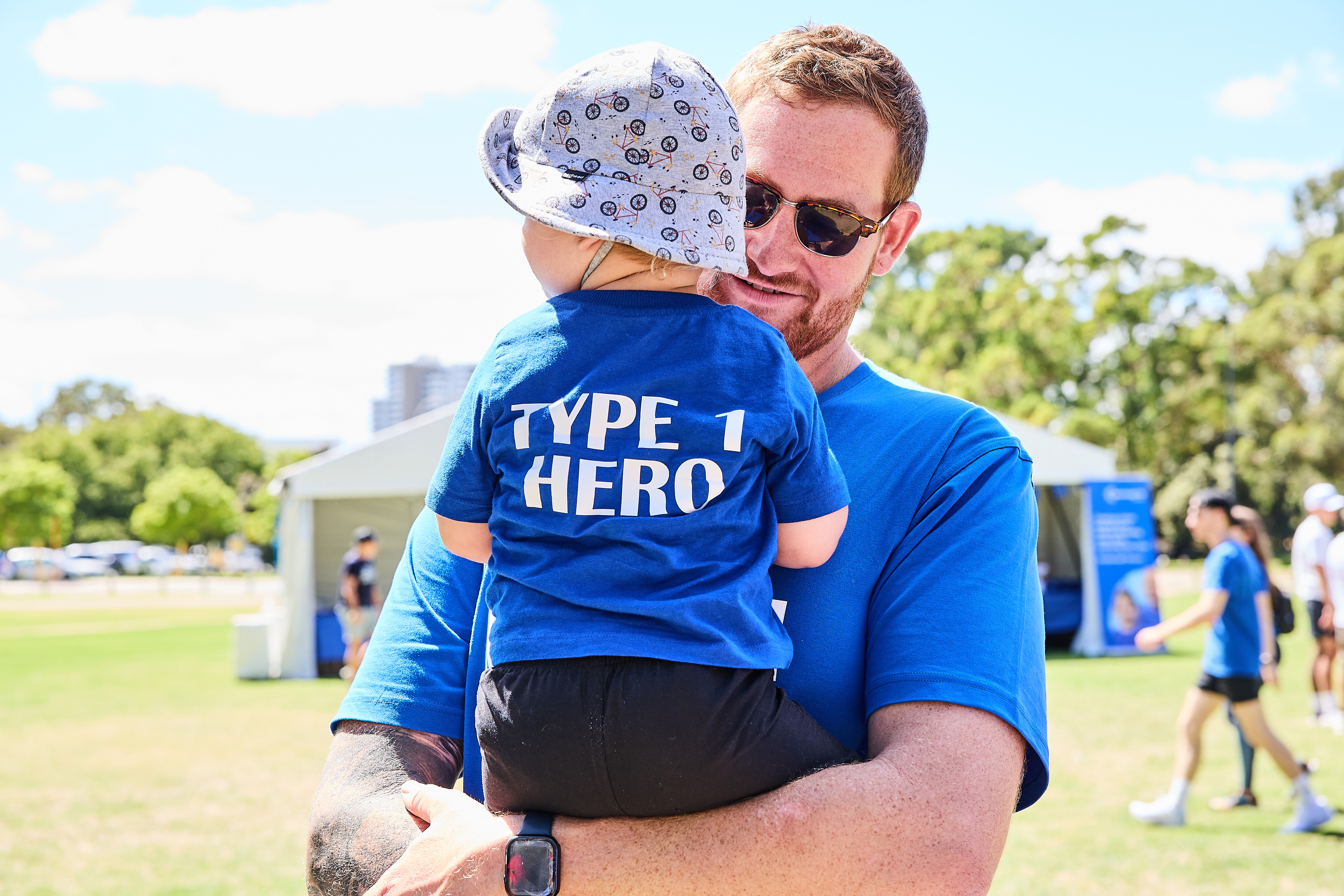
Ready to support Breakthrough T1D and help create a world without T1D?
Join the world’s #1 fundraising event for families living with T1D. Sign up for One Walk today!


