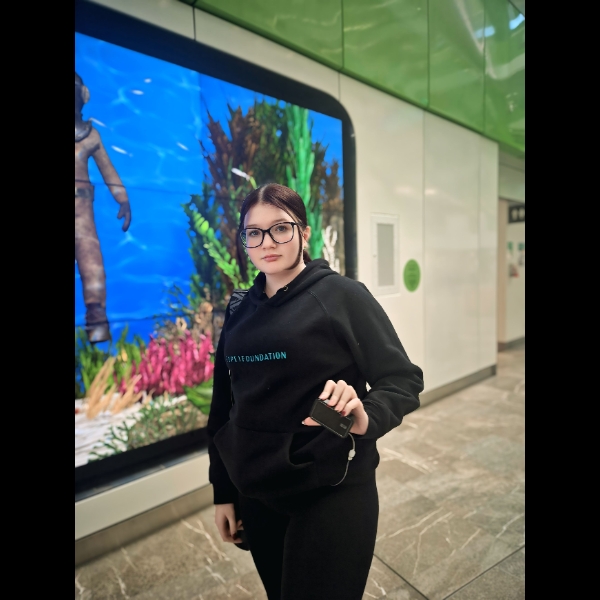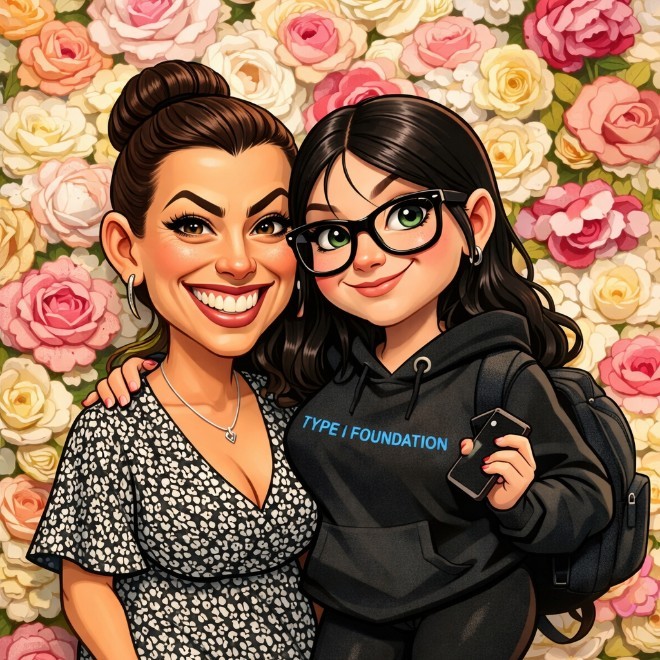
Team Taya
We would love you to join us for a 3 km walk!I'm walking to raise awareness for yearly diagnosis of type 1 diabetes in Perth!
On 24 March last year, our lives changed forever.
My 13-year-old baby girl had been unwell for months. At first, it was subtle—tiredness, small changes you explain away as growth, hormones, school stress. But slowly, and then all at once, it became worse. Leaving the house became hard. Everyday life felt heavy for her, and frighteningly uncertain for us.
We did what parents do. We went to the GP. Then again. We went to hospitals. We asked questions. We trusted the system, even while something deep inside us knew something wasn’t right.
Eventually, we got the answer.
Type 1 Diabetes.
From that moment on, everything shifted.
A New Reality Overnight
When your child is diagnosed with Type 1 Diabetes, there is no easing into it. There is no adjustment period. You are thrown into a state of instant hypervigilance, because suddenly, your child’s survival depends on knowledge you didn’t need yesterday.
Blood glucose levels. Insulin. Carbohydrates. Ketones. Highs. Lows. Alarms in the night. Calculations before every meal. Fear you didn’t know existed.
Your priorities narrow instantly. Nothing matters more than keeping your child alive.
Type 1 Diabetes is not caused by lifestyle. It is not preventable. It is an autoimmune disease that can appear suddenly and progress rapidly—especially in children.
And too often, it’s diagnosed late.
The Danger of Late Diagnosis
Before diagnosis, many children develop DKA (Diabetic Ketoacidosis)—a life-threatening condition that occurs when the body doesn’t have enough insulin. DKA can lead to intensive care, long-term complications, and in the worst cases, death.
The heartbreaking part?
DKA is often preventable with earlier recognition of the warning signs.
That’s why awareness matters. That’s why I’m sharing our story.
Know the 4 Ts
If sharing our experience helps even one family recognise the signs sooner, it’s worth it.
Please remember the 4 Ts of Type 1 Diabetes:
Tired – extreme, unexplained exhaustion
Thirsty – constant, unquenchable thirst
Toilet – frequent urination (including bed-wetting in children who were previously dry)
Thin – unexplained weight loss
These symptoms can develop over weeks or months and are often mistaken for other illnesses, stress, or growing pains.
If you notice these signs—trust your instincts. Ask for a blood glucose test. It’s quick, simple, and can save a life.
Living With Hypervigilance—and Hope
Life after diagnosis is different. It’s louder. It’s heavier. It’s full of alarms, calculations, and moments of fear no parent expects to carry.
But it’s also full of strength—especially in our children.
I watch my daughter face things no 13-year-old should have to manage, and I’m in awe of her bravery every single day. She didn’t choose this, but she faces it with more resilience than I ever imagined possible.
We are learning. We are adapting. We are surviving—and we are determined to thrive.
Why I’m Speaking Up
I’m sharing this not for sympathy, but for awareness.
Because early diagnosis can prevent DKA.
Because parents should know the signs.
Because children deserve to be diagnosed before they reach crisis point.
If you take one thing away from this, let it be this:
Remember the 4 Ts.
Trust your gut.
Ask for the test.
It could save a child’s life.
WR are joining the world's largest type 1 diabetes (T1D) fundraising event for families at Burswood Park this March!
Why? To help raise $1.1 million for life-changing T1D research, and ultimately turn type 1 into type NONE.
T1D can strike anyone at any time, and 8 Australians are diagnosed every day. Diagnosis means a 24/7 fight with no break, and facing an extra 180 decisions a day to remain safe and healthy.
Please support my walk today.
My One Walk fundraising achievements

Set profile picture
Donated to self

Shared Page
Reached Fundraising Target



Power Walker
Athlete

Elite Walker

Increased Fundraising Target Over $500
Thank you to my Sponsors

$60
Facebook Donation

$60
The Keenan Family
We're proud to support your walk for a world without type 1 diabetes.
$50.86
Facebook Donation
$27.21
Jess Moses
$15.47
Facebook Donation
$15
Facebook Donation
$11.65
Melinda Metcalf
$10.41
Facebook Donation
My Fundraising Journey